Men often put routine health concerns on the back burner, especially when they feel generally well. However, preventive care plays an important role in catching silent health issues before they become serious. An urgent care center can help men stay on top of important wellness checks, especially when scheduling with a primary provider is difficult. A men’s health visit may include reviewing personal habits such as smoking, alcohol use, and sexual health concerns that may affect long-term well-being. Basic measurements like blood pressure, weight, and body composition can help identify concerns tied to heart health or metabolic conditions. Depending on age and personal risk factors, providers may discuss screenings related to cholesterol, colon health, prostate concerns, or vascular conditions. Urgent care doctors can also address fatigue, urinary changes, sexual health questions, and other issues men may hesitate to bring up. If you have ongoing health concerns or are overdue for preventive care, it is suggested that you visit an urgent care facility.
Straightforward Care For Men’s Health Concerns
Men’s health needs are often shaped by demanding schedules, physical activity, and day-to-day stress. Urgent care clinics provide a reliable option for addressing concerns that arise without requiring long wait times or complicated scheduling. This makes it easier to seek care when something does not feel right.
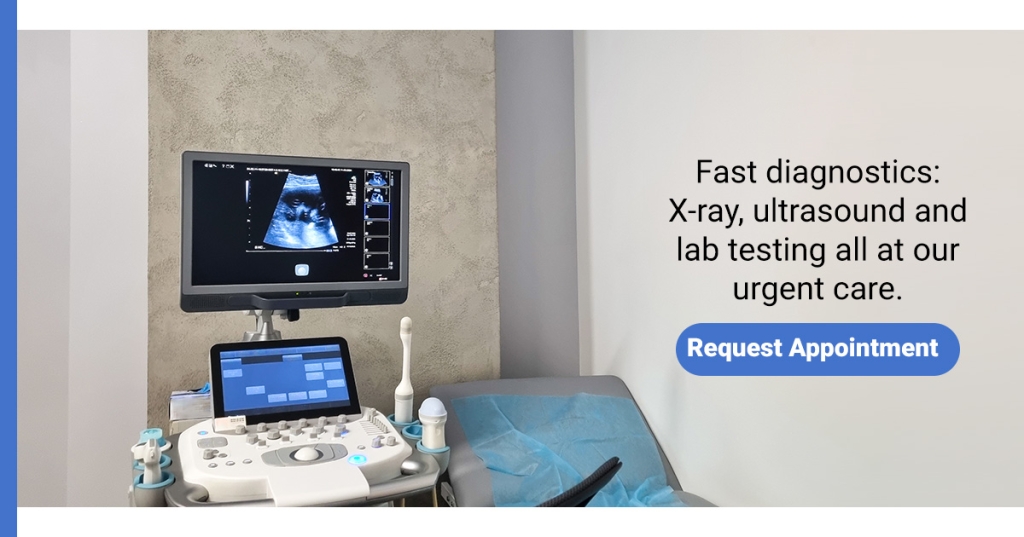
Men commonly visit urgent care for issues such as muscle strains, joint pain, infections, or sudden illness. Providers focus on identifying the source of the problem through a clear and efficient evaluation. When appropriate, testing is performed on site to help confirm a diagnosis and guide treatment.
Treatment plans are tailored to help you recover while maintaining your routine as much as possible. This may include medications, activity modifications, and guidance on preventing future injuries or illness. The emphasis is on practical solutions that support both short-term relief and long-term health.
Urgent care clinics also offer a comfortable setting where questions can be addressed without pressure. This encourages men to take a more active role in their health and seek care sooner rather than later.
If you are experiencing symptoms or need medical guidance, visit our urgent care clinic for prompt, professional care.
If you have any questions please feel free to contact our office located in Sachse, TX . We pay attention to men’s health.